Juneteenth: Supporting Mental Health Equity Everyday
By BetterHelp Editorial Team|Updated June 14, 2022
What Is Juneteenth?
https://www.betterhelp.com/advice/general/juneteenth-supporting-mental-health-equity-today-and-everyday/: A Juneteenth learning experience in New OrleansJuneteenth, celebrated on June 19, honors the emancipation of enslaved people in the United States in the month of June. The holiday’s history began in Galveston, Texas on June 19, 1865. In that year, the Civil War Union General Gordon Granger, arrived with Union troops to free the people living in slavery in the Texas town, two years after the 1863 Emancipation Proclamation, enacted by Abraham Lincoln, declared that all slaves, or enslaved peoples, inside and outside Union lines be freed.
Though many have recognized Juneteenth in Texas and around the country since 1866, it was not officially declared a holiday on the federal calendar until June 17th, 2021. This year, the holiday falls on June 20th, which is a Monday in June. Its long path to one of the national dates of celebration in June that has been fraught with advocacy against the holiday’s ignorance and is still a hot topic, outside of Texas, even today.
Blacks Were Enslaved Well into the 1960s
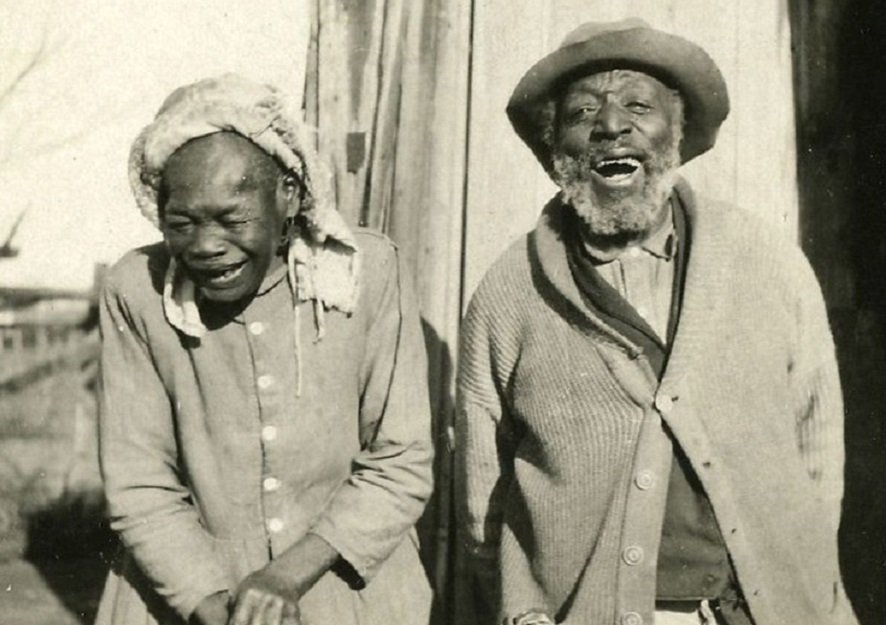
The Emancipation Proclamation of 1863, which changed the status of over 3.5 million enslaved African Americans in the South from enslaved person to free, did not emancipate some hundreds who were enslaved through to the 1960s. These people were forced to work, violently tortured, and raped.
A series of interviews published by Vice historian and genealogist Antionette Harrell has uncovered long-hidden cases of Black people who were still living as enslaved people a century past the signing of the Emancipation Proclamation. Harrell’s groundbreaking work has exposed issues in her home state of Louisiana, Mississippi, Arkansas, and Florida.
Harrell first began her work over twenty years ago; in 1994, she began to look into public and historical records and discovered that her ancestors belonged to Benjamin and Cecilia Bankston Richardson in 1853. From there, Harrell tracked down freedman contracts on her father’s side of the family that verified they were sharecroppers, and word spread around New Orleans, leading to several speaking engagements.
At another speaking engagement, Harrell was confronted after a talk in Amite, Louisiana, by a woman named Mae Louise Walls Miller, who told her that she didn’t get her freedom until 1962, which was two years before the Civil Rights Act of 1964 was passed granting Black people a host of legal rights and protections.
They had become debtors to the plantation owner and, as a result, could not leave the property. At the end of the harvest, this group was always told they did not profit and had to try the next year again. This cycle kept them on the land, and some people were tied to that tract of land until the 1960s.
Do I believe Mae’s family was the last to be freed? No. Slavery will continue to redefine itself for African Americans for years to come. The school-to-prison pipeline and private penitentiaries are just a few new ways to guarantee that black people provide free labor for the system at large. However, I also believe African families are still tied to Southern farms in the most antebellum sense of speaking. If we don’t investigate and bring to light how slavery quietly continued, it could happen again.
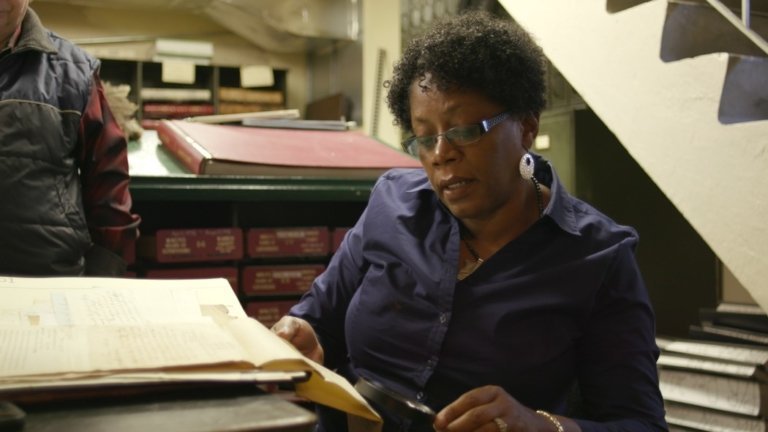
Source credit: The Vice https://www.vice.com/amp/en/article/437573/
I believe it’s up to all of us to stop evil and all injustices against all people in the world. We must be like the church ladies, freedom marchers, and all those who use their lives as vessels of truth and justice for all.

 Dat NOLA Chic
Reblogged this on Dat NOLA Chic.
LikeLike