Introducing Dat NOLA Chic: Unlock the Vibrant Soul of New Orleans!
Embark on a captivating journey through the heart and soul of New Orleans with Dat NOLA Chic, your trusted cultural liaison and gifted freelance writer. As a sixth-generation New Orleanian, she possesses an unparalleled passion for her city's rich heritage and is dedicated to sharing it with the world.
Dat NOLA Chic effortlessly weaves together the threads of New Orleans' captivating history, cherished traditions, and remarkable people, offering a truly unique and authentic perspective. With a deep love for this vibrant city, she reveals the untold stories that make New Orleans so magical.
Join Dat NOLA Chic on an extraordinary adventure, as she takes you off the beaten path and immerses you in the genuine experiences of living in this captivating city. With her insider's perspective, she'll guide you through the vibrant colors, irresistible aromas, and enchanting sounds of New Orleans.
Experience New Orleans through the eyes of a passionate local who embraces the profound cultural significance of this extraordinary city. Discover the stories hidden on every street corner and let the magic of New Orleans fill your soul.
Get ready to unlock the vibrant soul of New Orleans with Dat NOLA Chic as your trusted guide. Embrace the essence of this city, immerse yourself in its culture, and create memories that will last a lifetime
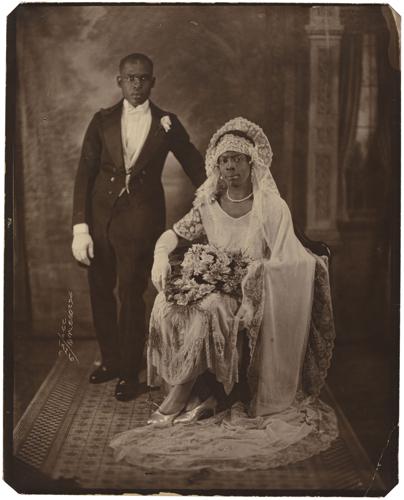
There are iconic photographs in “Called to the Camera: Black American Studio Photographers,” now open at the New Orleans Museum of Art. Viewers will recognize Ernest C. Withers’ landmark photo of the 1968 Memphis sanitation workers strike, with men carrying signs bearing the words “I AM A MAN.” Withers said he printed the signs at his studio.
The show includes more photos of important moments in the civil rights movement as well as portraits of figures such as Frederick Douglass, Langston Hughes and Al Green. There also are photos by artists including Gordon Parks and Endia Beal. But the show focuses on Black studio photographers and their portraits. That studio work had an impact on the field of photography, including art photography.
Juneteenth, celebrated on June 19, honors the emancipation of enslaved people in the United States in the month of June. The holiday’s history began in Galveston, Texas on June 19, 1865. In that year, the Civil War Union General Gordon Granger, arrived with Union troops to free the people living in slavery in the Texas town, two years after the 1863 Emancipation Proclamation, enacted by Abraham Lincoln, declared that all slaves, or enslaved peoples, inside and outside Union lines be freed.
Though many have recognized Juneteenth in Texas and around the country since 1866, it was not officially declared a holiday on the federal calendar until June 17th, 2021. This year, the holiday falls on June 20th, which is a Monday in June. Its long path to one of the national dates of celebration in June that has been fraught with advocacy against the holiday’s ignorance and is still a hot topic, outside of Texas, even today.
A Brief History
Before we dive into Juneteenth, let’s revisit the end of slavery in Texas, the state where June 19 and its subsequent recognition began. The Emancipation Proclamation was issued by President Lincoln in 1863 during the Civil War, however, it did not immediately free all enslaved people; in fact, the Emancipation Proclamation only applied to enslaved people that were residing in states under confederate control. Once the war was over, however, both states within Union lines and the former confederacy were required to allow former enslaved people their freedom. In the state of Texas specifically, slavery remained legal until the arrival of General Gordon Granger in Galveston, Texas on June 19, 1865.







 Dat NOLA Chic
You must be logged in to post a comment.